Device catalog
Every device has a story
Specs, variants, and the repair ecosystem around each device — from the platform built on verified repair records.
-
 Game Boy Advance SP The Game Boy Advance SP is a 32-bit handheld game console made by Nintendo. It was released in Japan on February 14, 2003, and in international markets in March. The SP is an upgraded version of the Game Boy Advance with a more compact clamshell design.
 -
 Nintendo 64 The Nintendo 64 (N64) is a home video game console developed and marketed by Nintendo. It was released in Japan on June 23, 1996, in North America on September 29, 1996, and in Europe and Australia on March 1, 1997. It was Nintendo's third major home console, following the Super Nintendo Entertainment System, and competed with Sony's PlayStation and the Sega Saturn in the fifth generation of consoles.
 -
 Nintendo Entertainment System The Nintendo Entertainment System (NES) is a home video game console developed and marketed by Nintendo. It was released as the Family Computer (Famicom) in Japan on July 15, 1983, and as the NES in test markets in the United States on October 18, 1985, followed by a nationwide launch on September 27, 1986. The NES was distributed in Europe, Australia, and parts of Asia throughout the 1980s. It was Nintendo's first programmable home console, succeeding the Color TV-Game line of dedicated consoles, and primarily competed with Sega's Master System in the third generation of video game consoles.
 -
 New Nintendo 3DS XL Nintendo new 3ds xl: 4.88 inch autostereoscopic (3D) LCD, 400x240 per eye (95.6 ppi) display, Quad-core ARM11 MPCore @ 804 MHz, 1 GB flash storage. Released in 2014.
 -
 Super Nintendo Entertainment System The Super Nintendo Entertainment System is a home video game console developed and marketed by Nintendo. It was released as the Super Famicom in Japan on November 21, 1990, as the Super NES in North America on August 23, 1991, and internationally throughout 1992. It was Nintendo's second programmable home console, following the Nintendo Entertainment System (NES). A fourth-generation console, the SNES primarily competed with the Sega Genesis in the console war, a fierce battle for market share in the United States and Europe.
 -
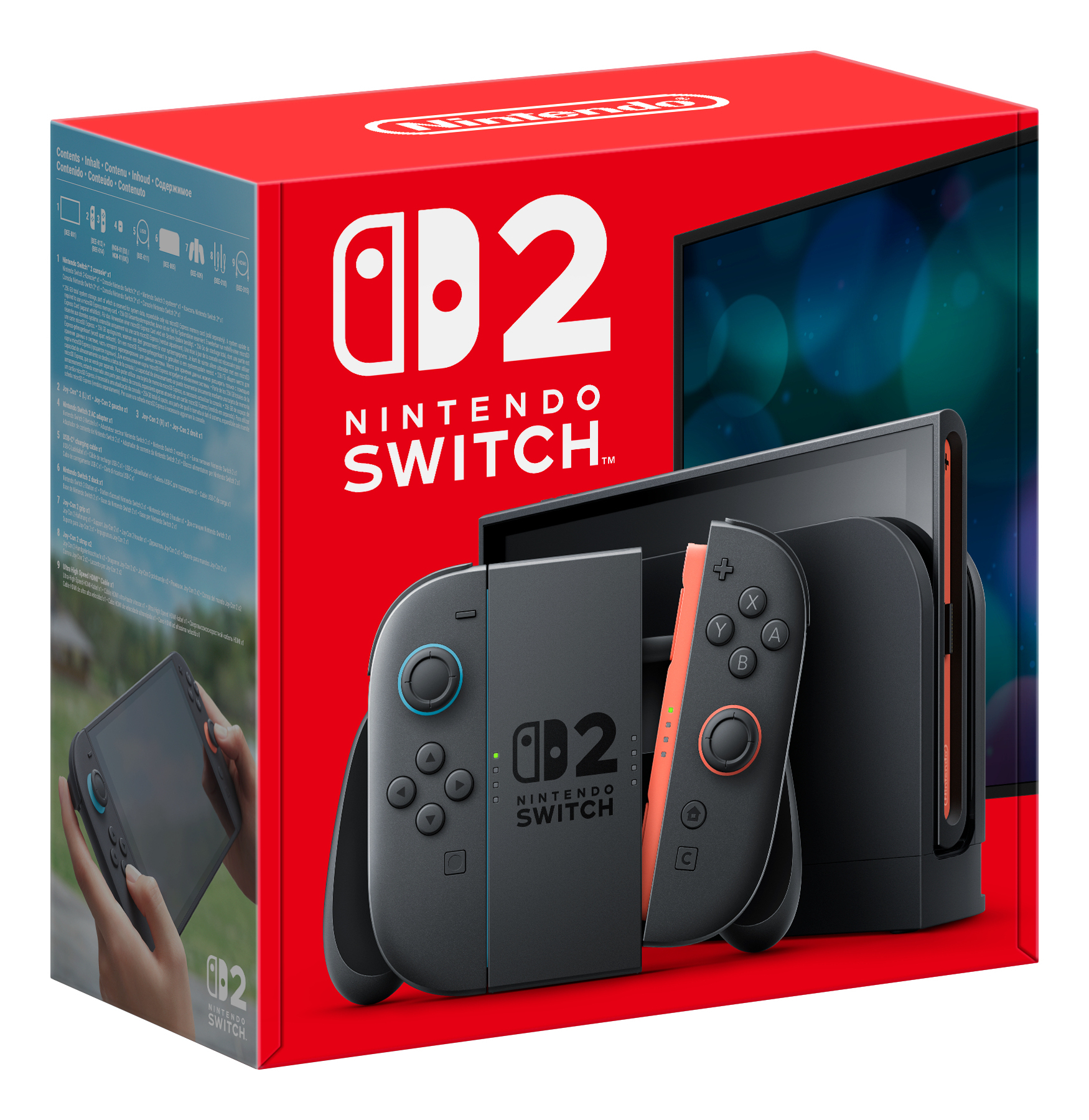 Nintendo Switch 2 Nintendo Switch 2. Platform: Nintendo Switch 2. Product colour: Black, Gaming control technology: Analogue / Digital, Gaming control function buttons: D-pad, Home button, Menu button, Power button. Display: LCD, Display diagonal: 20.1 cm (7.9"), Display resolution: 1920 x 1080 pixels. Storage media type: Flash, Built-in memory capacity: 256 GB, Compatible memory cards: MicroSD (TransFlash), MicroSDXC. Frequency band: 2.4 GHz, Wi-Fi standards: Wi-Fi 6 (802.11ax)
 -
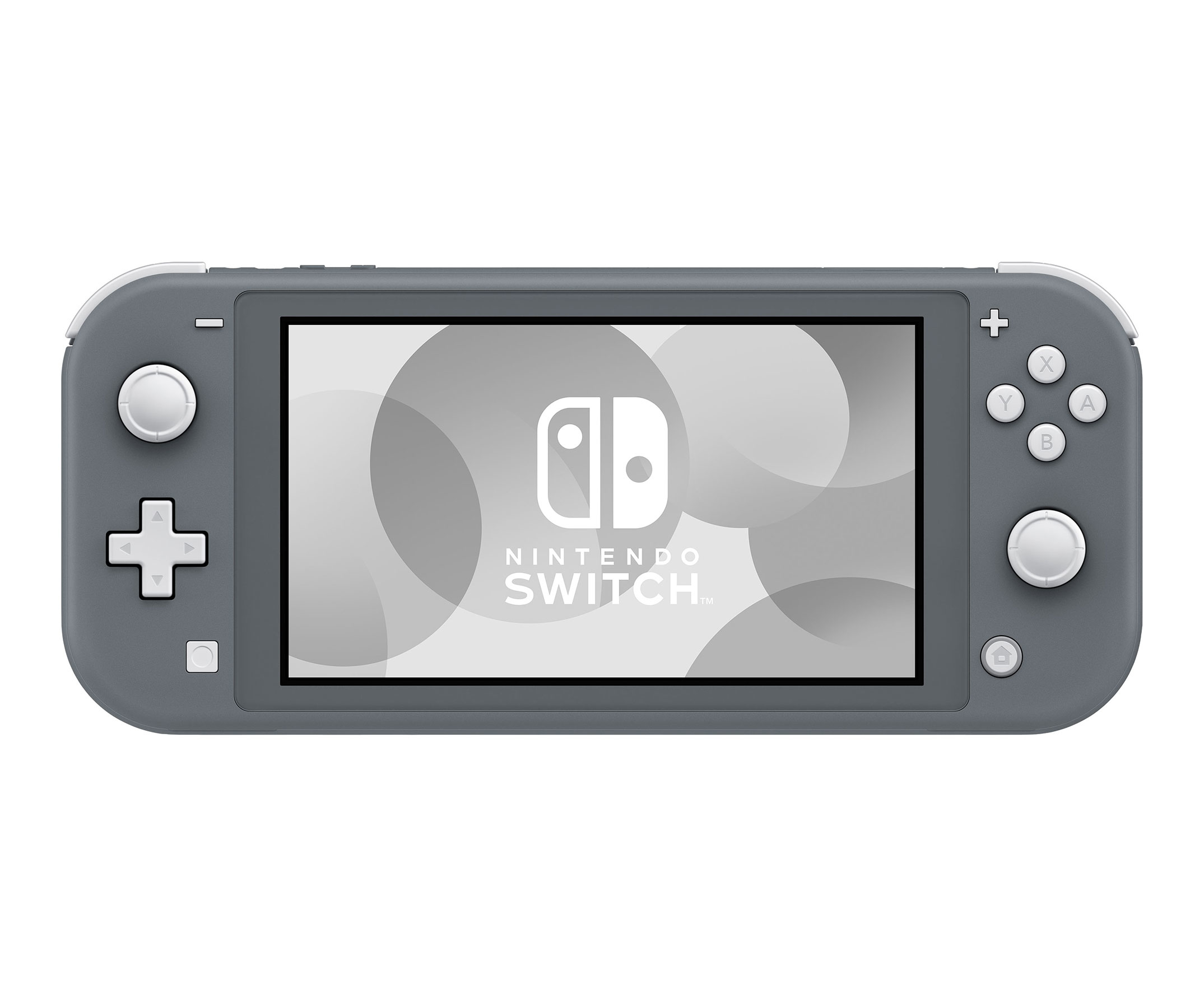 Nintendo Switch Lite Nintendo Switch Lite. Platform: Nintendo Switch, Processor frequency: 768 MHz. Product colour: Grey, Gaming control technology: Analogue / Digital, Gaming control function buttons: D-pad. Display: LCD, Display diagonal: 14 cm (5.5"), Display resolution: 1280 x 720 pixels. Built-in memory capacity: 32 GB, Compatible memory cards: MicroSD (TransFlash), MicroSDHC, MicroSDXC, Maximum memory card size: 2 TB. Wi-Fi standards: 802.11a, 802.11b, 802.11g, Wi-Fi 4 (802.11n), Wi-Fi 5 (802.11ac)
 -
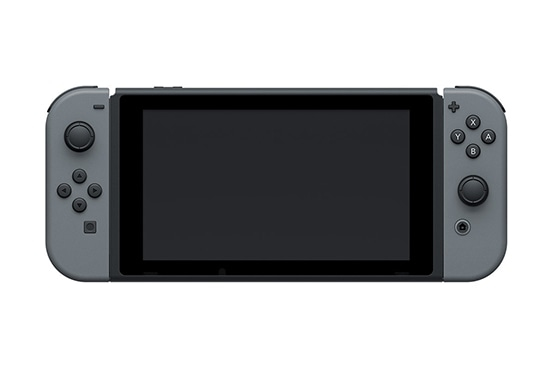 Nintendo Switch (OLED model) Nintendo Switch. Platform: Nintendo Switch, Processor frequency: 768 MHz, Internal memory: 4000 MB. Product colour: Grey, Gaming control technology: Analogue / Digital, Gaming control function buttons: D-pad. Display: LCD, Display diagonal: 15.8 cm (6.2"), Display resolution: 1280 x 720 pixels. Built-in memory capacity: 32 GB, Compatible memory cards: MicroSD (TransFlash), MicroSDHC, MicroSDXC, Maximum memory card size: 2 TB. Frequency band: 2.4/5 GHz, Wi-Fi standards: 802.11a, Wi-Fi 5 (802.11ac), 802.11b, 802.11g, Wi-Fi 4 (802.11n)
 - Nintendo Switch (v1) Nintendo Switch. Platform: Nintendo Switch, Processor frequency: 768 MHz, Internal memory: 4000 MB. Product colour: Grey, Gaming control technology: Analogue / Digital, Gaming control function buttons: D-pad. Display: LCD, Display diagonal: 15.8 cm (6.2"), Display resolution: 1280 x 720 pixels. Built-in memory capacity: 32 GB, Compatible memory cards: MicroSD (TransFlash), MicroSDHC, MicroSDXC, Maximum memory card size: 2 TB. Frequency band: 2.4/5 GHz, Wi-Fi standards: 802.11a, Wi-Fi 5 (802.11ac), 802.11b, 802.11g, Wi-Fi 4 (802.11n)
-
 Nintendo Virtual Boy The Virtual Boy is a video game console developed and manufactured by Nintendo and released in Japan on July 21, 1995, and in North America on August 14, 1995. Promoted as the first system capable of rendering stereoscopic 3D graphics, it featured a red monochrome display viewed through a binocular eyepiece, with games employing a parallax effect to simulate depth. The console struggled commercially, and its limited market performance led Nintendo to discontinue production and game development in 1996, following the release of only 22 games.
 -
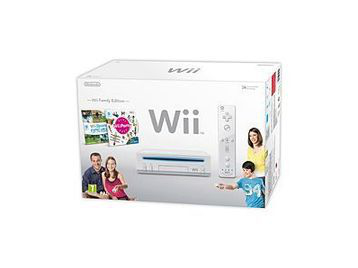 Nintendo Wii Nintendo Wii Family Edition. Platform: Wii. Product colour: White
 -
 Nintendo Wii U The Wii U is a home video game console developed by Nintendo as the successor to the Wii. Released in late 2012, it was the first eighth-generation video game console and competed with Microsoft's Xbox One and Sony's PlayStation 4.
 - Nokia 1.4 Nokia 1.4 is an entry-level smartphone developed by HMD Global under the Nokia brand. It was announced on February 3, 2021.
-
 Nokia 3 The Nokia 3 is a Nokia-branded entry-level Android smartphone designed and marketed by HMD Global. It was announced on 26 February 2017, a day before the Mobile World Congress started, along with the Nokia 6, Nokia 5, and Nokia 3310 (2017). The phone initially received regular monthly security updates and runs stock Android. Nokia 3.1 and others released after Nokia 3.
 -
 Nokia 5 The Nokia 5 is a mid-range Android smartphone by HMD Global. It was announced along with the Nokia 6, Nokia 3, and Nokia 3310 (2017) at the MWC 2017 in Barcelona, Spain.
 -
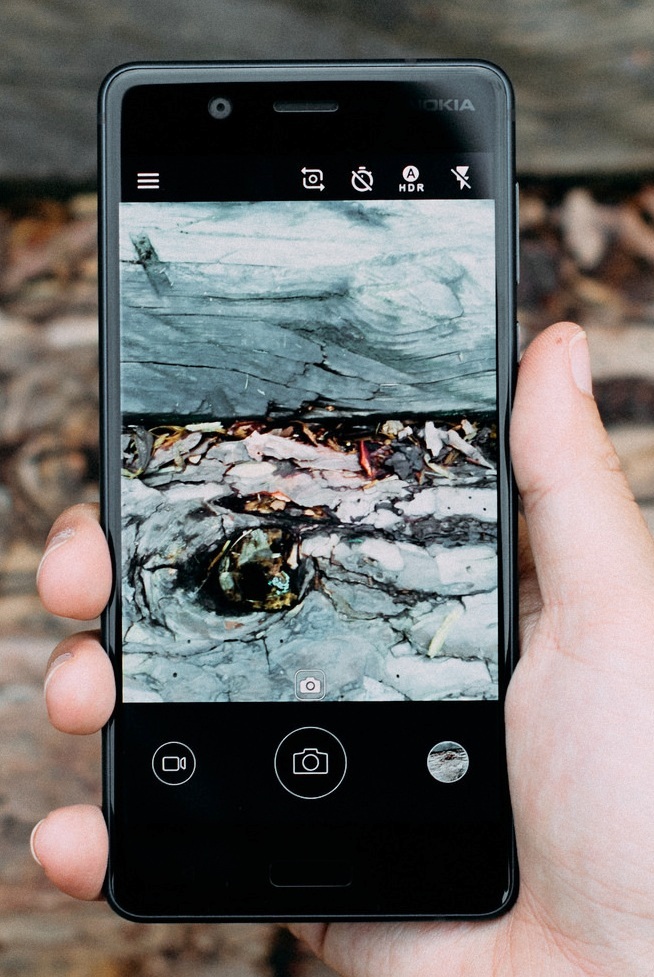 Nokia 6 The Nokia 6 is a Nokia-branded mid-range smartphone running on Android. It is the first smartphone from the Finnish company HMD Global, created through the partial divestment of Nokia's devices division; the first Nokia-branded smartphone since the Lumia 638; and the first Nokia-branded Android smartphone since the short-lived Nokia X2 in 2014. The phone was first announced for sale in China on January 8, 2017, with a global version announced the following month.
 - Nokia 7 Nokia 7: Qualcomm Snapdragon 630, 64 GB storage. Released in 2017.
-
 Nokia 8 The Nokia 8 is a flagship Nokia-branded smartphone running the Android operating system. Announced on 16 August 2017 in London, England by HMD Global. The phone began sales in Europe in September 2017. Nokia 8 is the first high-end Nokia-branded device since the Nokia Lumia 930 in 2014. An improved version, the Nokia 8 Sirocco, was announced on 25 February 2018 at the Mobile World Congress in Barcelona.
 - Nokia C02 The Nokia C02 is an entry-level Android LTE smartphone that manufactured by HMD Global under the brand Nokia as part of the C series. It was unveiled on February 23, 2023.
- Nokia C100 Nokia c100: MediaTek Helio A22 MT6761. Released in 2022.
- Nokia C110 Nokia c110: MediaTek Helio P22 (MT6762), 32 GB storage. Released in 2023.
- Nokia C12 Pro Nokia c12 pro: Unisoc SC9863A1, 64GB storage. Released in 2023.
- Nokia C2 Nokia c2: Unisoc SC9832E, 16 GB storage. Released in 2020.
- Nokia C200 The Nokia C200 is an entry-level Android smartphone developed by HMD Global and marketed under the Nokia brand. It was unveiled as part of HMD Global's affordable Nokia smartphone lineup announced around CES 2022, with availability announced for later release windows in 2022.